
A weekly exploration of how technology and human touch are shaping the future of healthcare.
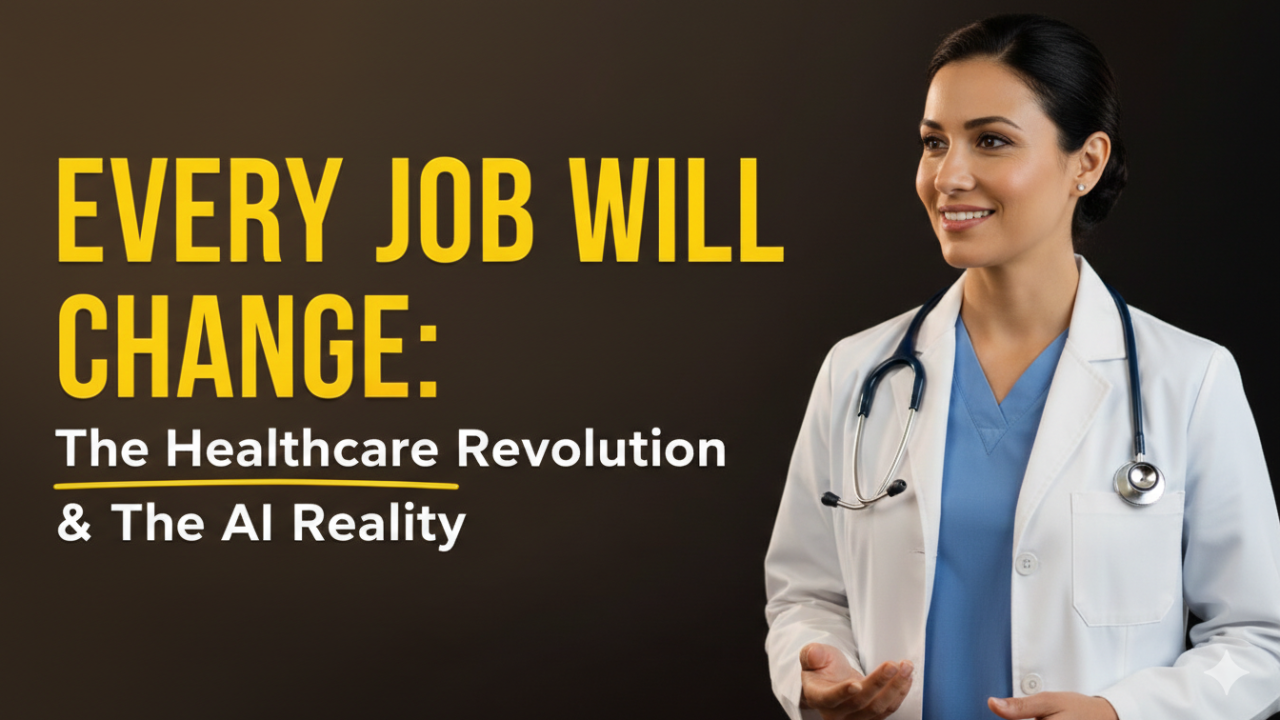
Your medical degree is no longer your greatest asset. Your adaptability is. The legendary Ram Charan just issued a siren call for all industries including healthcare: "Everyone’s job will change... confront that reality." In 2026, we aren't just practising medicine. We are managing an AI-integrated ecosystem where "quality of work" is the only metric that matters. I remember when being a physician meant being a "walking encyclopedia."
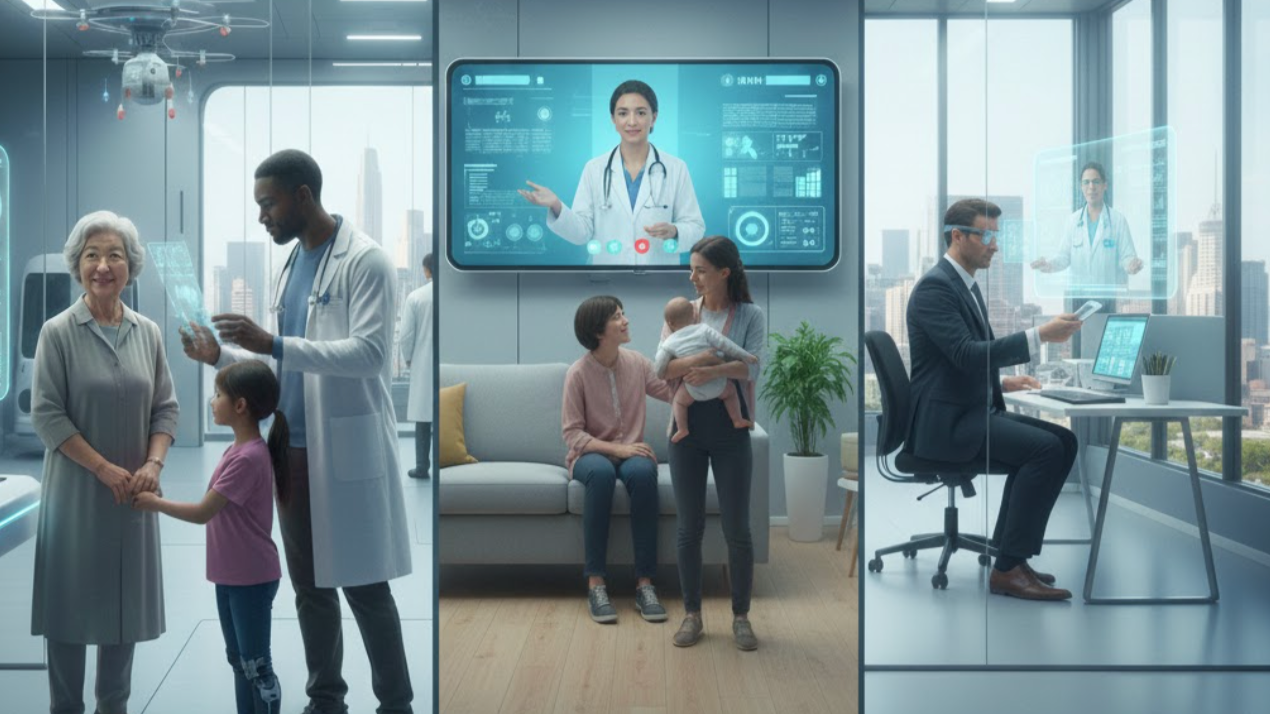
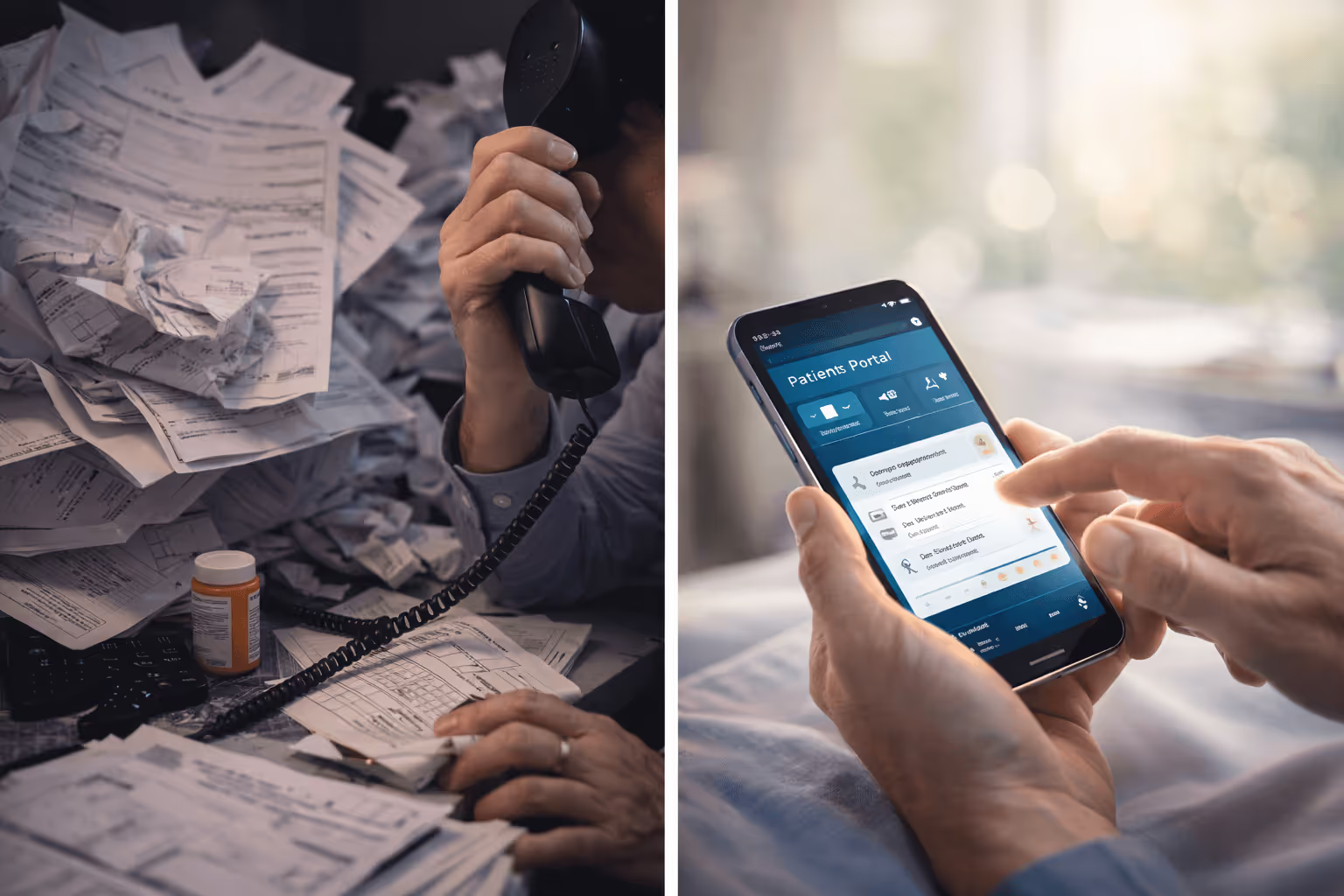
The transition from "Digital Transformation" to "Human Connection" is the most important shift our industry will ever make. Technology should not be a wedge; it must be the tool that removes the administrative noise, allowing the deeply human work of healing to take center stage. The doctor will see you now. And this time, they might actually see you.

In healthcare, we often begin our transformation conversations with the patient — their symptoms, their fears, their digital habits, and their journey from home to hospital and back home again..
As caregivers, we dedicate our days (and nights) to helping others breathe easier, live longer, and heal faster. Yet too often, we forget to protect our own oxygen supply — our mental clarity, energy, and emotional balance. The result is an epidemic of burnout that quietly erodes both the quality of care we provide and our own well-being.
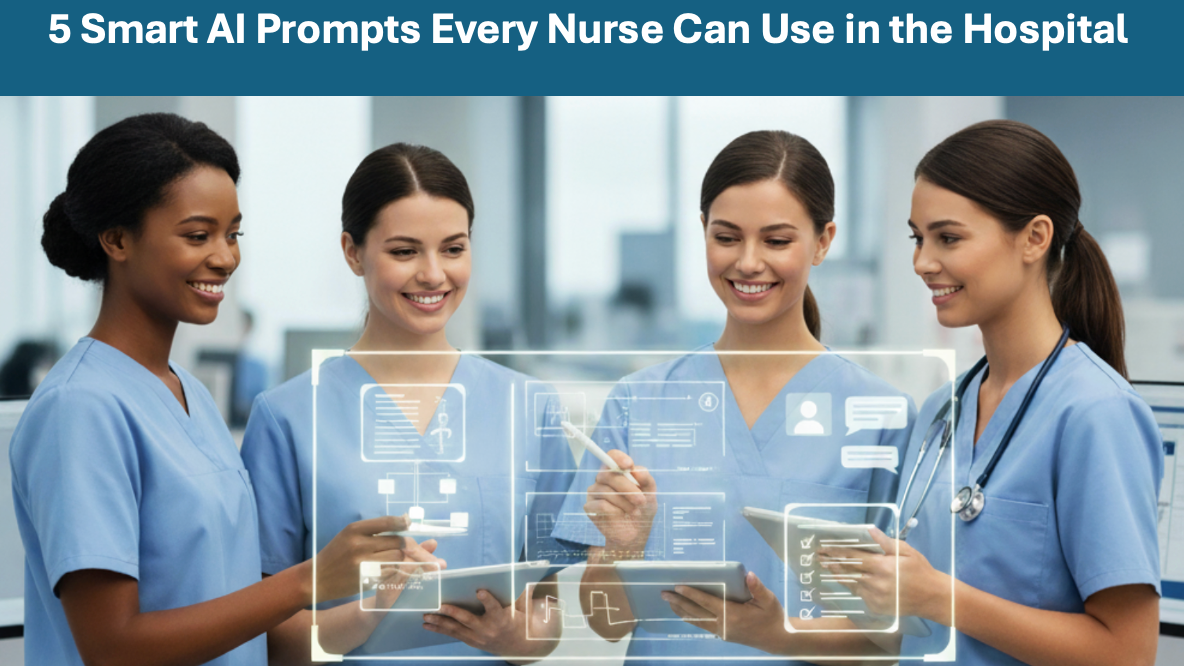
Nurses are the backbone of hospital care—balancing clinical work, documentation, patient communication, and emotional support. Yet much of their time is consumed by repetitive writing, constant updates, and the challenge of staying aligned with best practices. AI can help nurses by providing templates, communication examples, and self-care frameworks—all without handling sensitive patient data. Below are five comprehensive prompts that nurses can safely use to make their hospital work more efficient and meaningful.

Connected Care challenges us to rethink the entire care journey. It is not a product, but a promise: that no patient will feel alone between visits, that every interaction will build trust, and that technology will always serve humanity—not replace it.
In business psychology, there’s a concept called “The Curse of Intelligence.” It describes how brilliant minds, by virtue of their expertise, often jump straight to a solution without first taking the time to deeply understand the problem. Nowhere is this more dangerous than in healthcare. Our field is filled with brilliant clinicians, innovators, and executives. Yet healthcare is also littered with expensive, well-intentioned technologies that failed to deliver—not because they weren’t advanced, but because they weren’t human.
This is not hype. It’s already happening. AI is: ✔ Freeing up time ✔ Reducing burnout ✔ Restoring patient focus You don’t have to accept admin overload as the cost of practicing medicine. Start using these tools. Take back your time. Deliver more care—with less admin. Your patients—and your peace of mind—will thank you.
Over the next few months, I’ll share insights from my new book, Connected Care: Human Touch Supported by Technology. You’ll see how the best systems blend innovation and empathy. You’ll learn how to build a healthcare system that works for everyone. The future is Connected Care. It’s time to move forward.
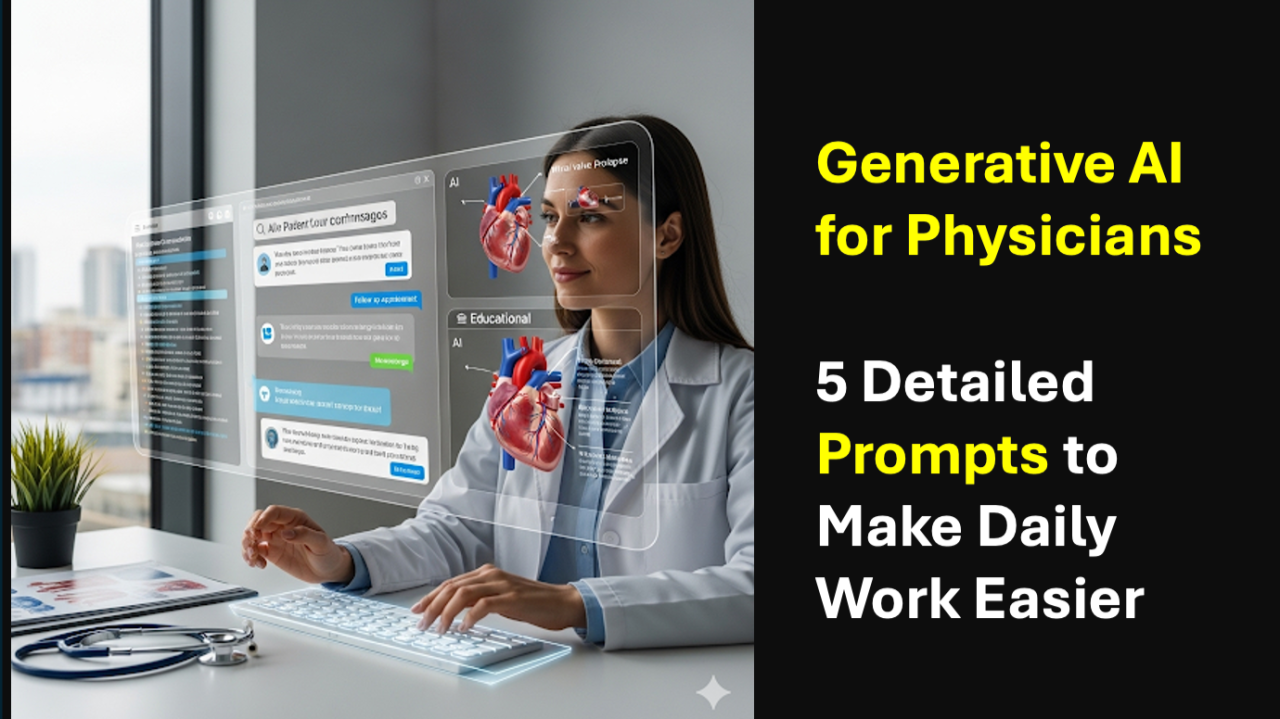
AI is most powerful when used as a partner, not a replacement. With carefully designed prompts, physicians can reduce administrative burden, enhance communication, and stay current—freeing up more time to do what matters most: healing.